
Cultural perspectives on gambling How different societies view casino experiences
Cultural perspectives on gambling How different societies view casino experiences
Historical Context of Gambling
Throughout history, gambling has been intertwined with various cultures, reflecting both societal norms and historical events. Ancient civilizations, such as the Chinese and Egyptians, utilized gambling as a form of entertainment and a way to engage in social interactions. These early practices laid the foundation for modern casino experiences, showcasing the diverse attitudes towards games of chance. Today, to discover the best online casino australia, players can access a wide array of options that cater to different preferences and styles.

In many cultures, gambling was often linked to rituals and spiritual beliefs. For instance, Native American tribes incorporated gaming into their traditions, using it as a means of storytelling and community bonding. Understanding these historical perspectives is essential to grasp how gambling evolved into the casino experiences we know today.
Western Views on Gambling
In Western societies, especially in the United States and parts of Europe, gambling is often seen as a legitimate entertainment option. The rise of Las Vegas and Atlantic City has transformed these regions into hubs for casino activity, where individuals can indulge in various games, from slot machines to poker tables. The acceptance of gambling in these areas highlights a cultural shift towards viewing it as a recreational pursuit rather than a moral failing.
However, this perspective isn’t universal across all Western nations. For example, while some European countries embrace gambling regulations, others maintain strict laws against it. This disparity reflects the ongoing debate surrounding personal freedom, economic benefits, and social responsibility in the context of gambling.
Eastern Perspectives on Gambling
In contrast, many Eastern societies hold a more ambivalent view toward gambling. Countries like Japan and China have intricate relationships with gambling, influenced by cultural beliefs and governmental regulations. In China, traditional games like Mahjong are popular, yet organized gambling is heavily regulated, and illegal gambling can carry severe penalties.
Japan presents a unique case with its Pachinko parlors, which blur the lines between gambling and entertainment. While gambling is restricted, these establishments provide an alternative experience that attracts millions, illustrating how cultural values shape the perception of gambling and casino experiences in the East.
The Role of Religion in Gambling Attitudes
Religion plays a significant role in shaping gambling perspectives across different cultures. In many Islamic societies, gambling is strictly prohibited, viewed as a vice that can lead to moral and financial ruin. This view is rooted in religious texts and societal norms that prioritize responsible behavior and discourage any form of speculation.
Conversely, some Christian denominations adopt a more lenient stance, allowing for responsible gambling as a form of entertainment. This divergence illustrates how religious beliefs can significantly influence societal attitudes toward gambling, leading to varying levels of acceptance and participation in casino experiences.
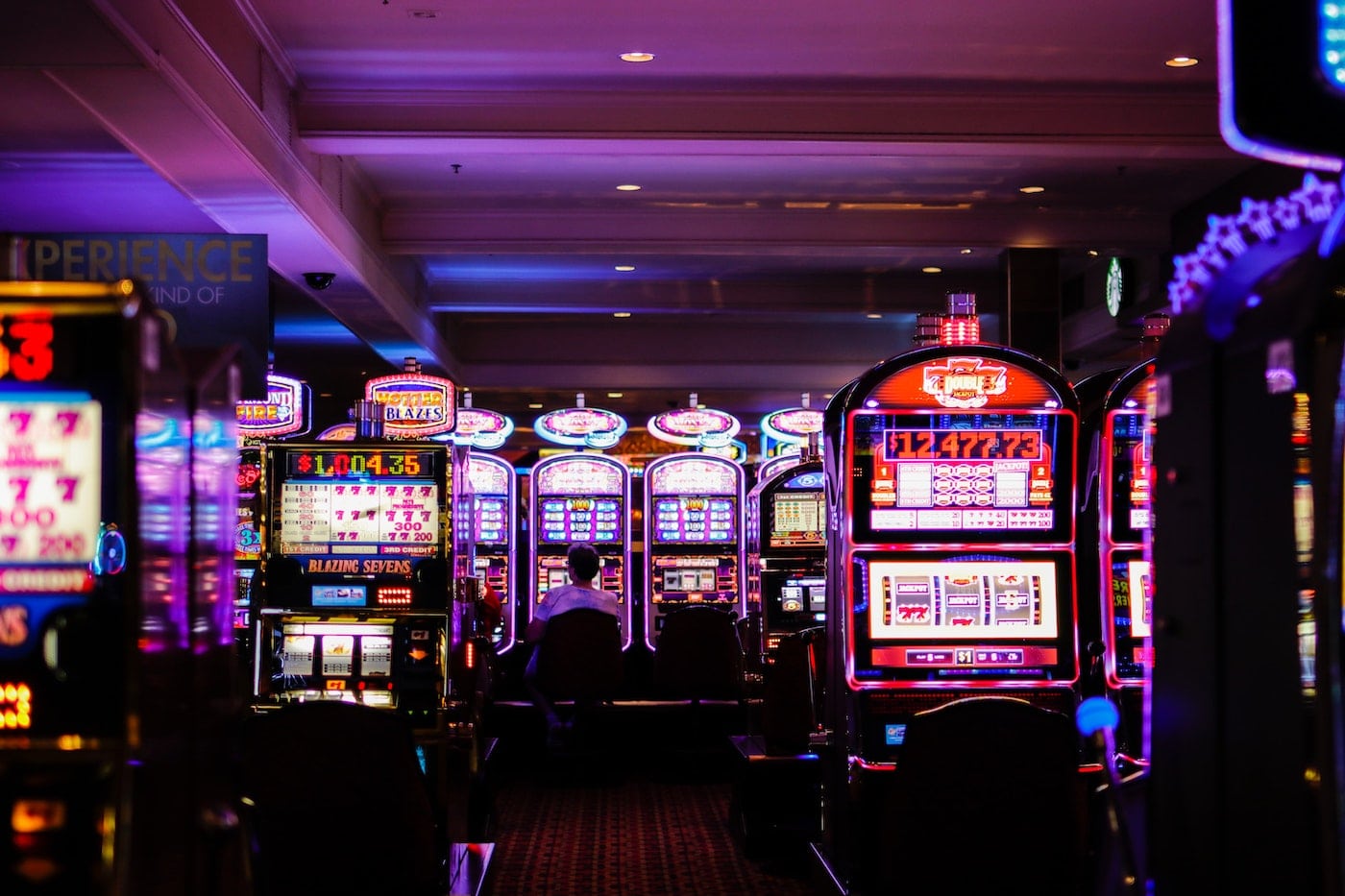
Exploring Casino Experiences in the Modern World
The digital age has further transformed how gambling is perceived and experienced globally. Online casinos have emerged, offering a range of games accessible to players from various cultural backgrounds. This accessibility challenges traditional norms and encourages a broader acceptance of gambling as a form of entertainment.
For individuals interested in exploring the casino world, understanding these cultural perspectives is vital. Each society brings its own values, beliefs, and practices to gambling, enriching the global landscape of casino experiences. Engaging with these diverse viewpoints can enhance one’s understanding and appreciation of this multifaceted pastime.